

Breakthrough Treatment at Holtz Children’s Hospital Gives Florida Boy New Life After Sickle Cell Disease
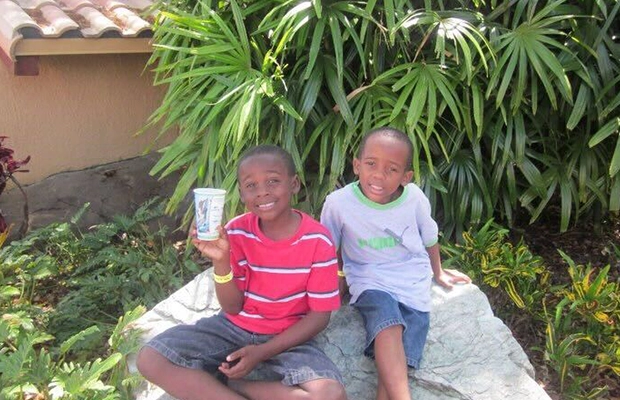
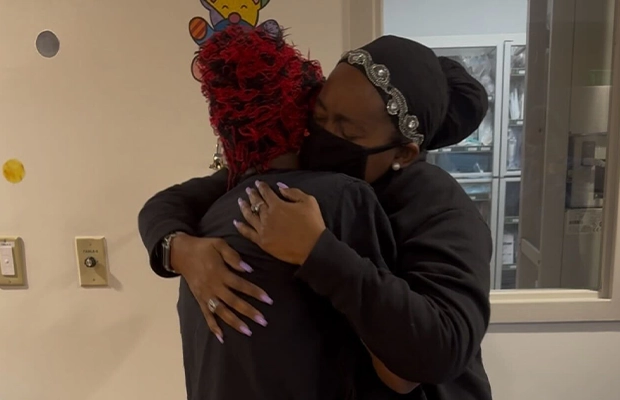
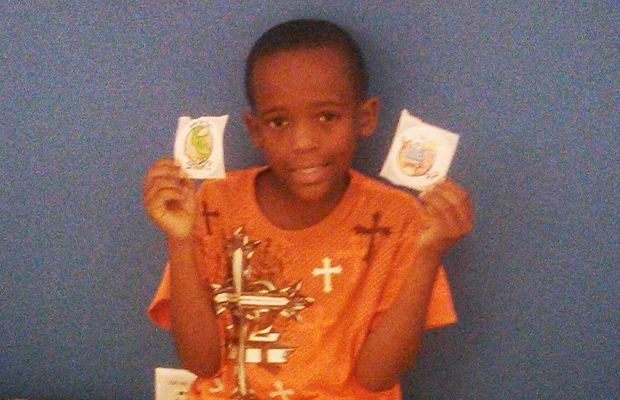
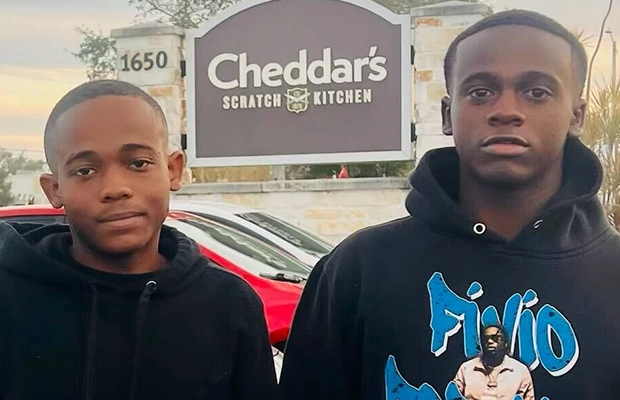
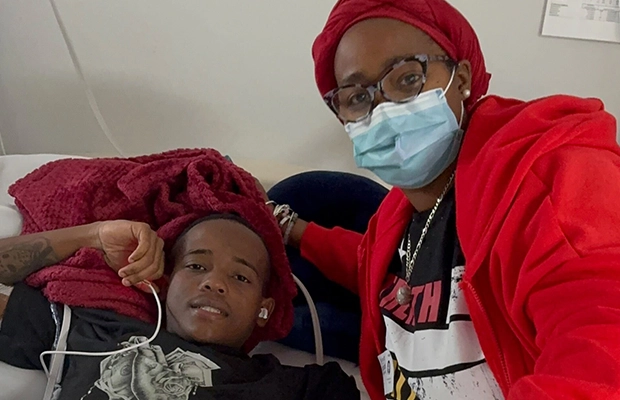
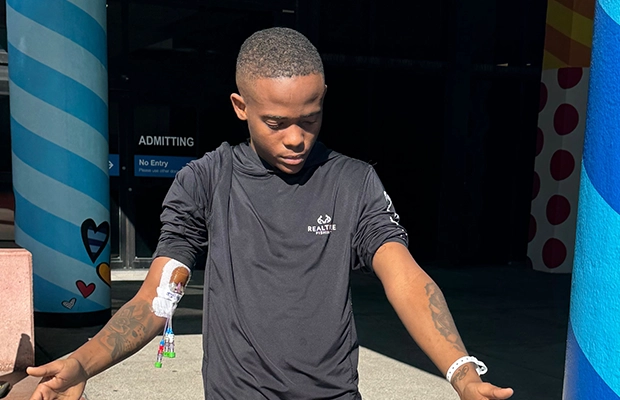
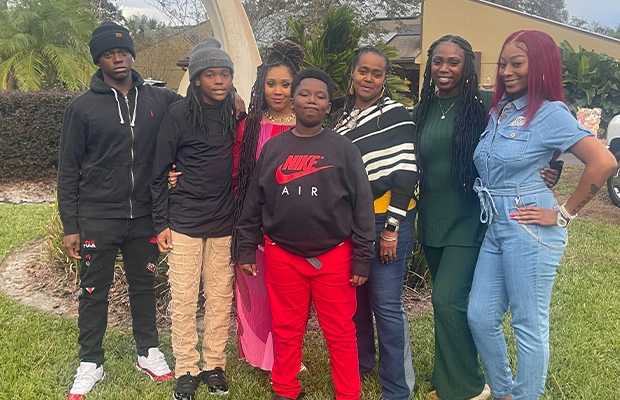
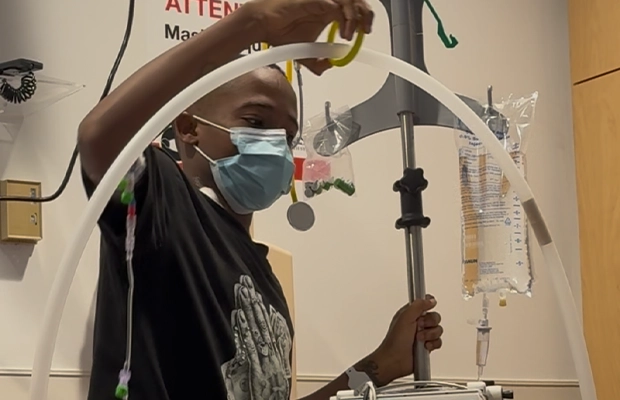
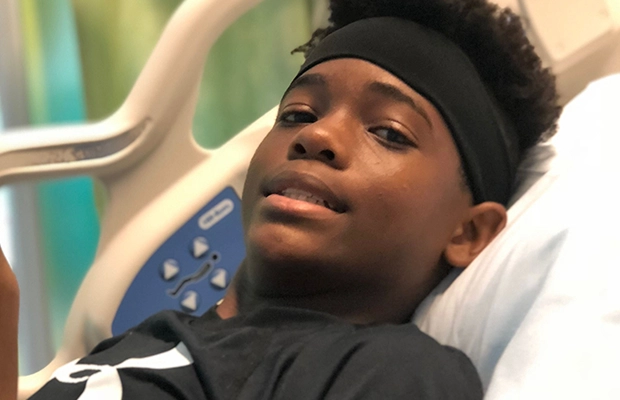
For 21-year-old Javarian Weatherspoon, life without pain feels like a miracle. After growing up with sickle cell disease, he became the first person in South Florida to receive a groundbreaking gene therapy at Holtz Children’s Hospital and UHealth – University of Miami Health System that offers hope for a cure.
The treatment, Beam-101, is a new type of gene therapy from Beam Therapeutics that genetically modifies a patient’s own blood cells through a process called base editing. Unlike other types of gene therapies that cut or break a DNA strand, base editing is more precise and can correct or make edits to genes.
For patients with sickle cell, their genes can be altered so they produce a fetal form of hemoglobin in red blood cells, which don’t sickle or change shape, lessening or eliminating symptoms of the disease.
The modified cells are then transfused back into the patients, similar to a bone marrow transplant.
Now, more than two months after receiving his genetically modified cells, Weatherspoon is back home – and pain-free.
“I feel good,” Weatherspoon said. “My life is a little easier right now because I was doing everything I was doing before, but I was in pain every day. But now I’m not in pain.”
Living with Sickle Cell
For most of his childhood, Weatherspoon, a Sandford, FL native, didn’t dwell on his sickle cell diagnosis.
But everything changed when he turned 17.
Like many with sickle cell disease, his symptoms worsened as he got older. Pain crises – sudden, severe episodes – became frequent, requiring extended hospital stays, blood transfusions, and daily pain medications. Even simple tasks became increasingly difficult.
“It’s definitely been a challenge through the years. Just because you’ve got a disability or a health problem doesn’t mean the world will stop for you. So, you still have to figure things out because you want to have a life, too,” he said. “You want to have your own car. You want to have your own job. You want to have your own house, you want to have your own things, but your health puts a stop to it.”
Although he managed the challenges with poise, Fisher said as a parent, she felt helpless.
“One thing I will say about my son – he’s a trooper. He always says he’s okay and that he’s fine,” she said. “But when you see him screaming and hollering and yelling at the top of his lungs from pain, and I have to see my son in that type of pain, and I can’t do anything – that’s what I want him to live free from, that kind of pain.”
After a particularly intense pain crisis and hospital stay, doctors warned that Weatherspoon might not have survived without immediate care. That’s when Fisher and Weatherspoon knew they needed to find another way.
A New Path: Gene Therapy at Holtz Children’s
As Weatherspoon’s condition worsened, medical breakthroughs began to emerge in the field of sickle cell. Although he wasn’t eligible for a bone marrow transplant, his doctors in Orlando began discussing a new gene therapy aimed at curing the disease, which was currently available through clinical trials at select medical centers.
Weatherspoon was referred to specialists at Holtz Children’s and UHealth. In March 2023, he began an extensive process of tests and bone marrow aspirations, all while managing ongoing crisis episodes that required hospital visits, medication, treatment, and transfusions.
In September 2024, doctors harvested his stem cells and sent them to a specialized lab where they were genetically modified.
In January 2025, nine months after starting the process, Weatherspoon and his mom returned to Miami for a crucial part of the treatment: the transplant of the modified cells back into his body. However, before this could happen, Weatherspoon had to undergo a round of in-hospital chemotherapy to eliminate any remaining cells and create space for the newly modified ones.
Chemotherapy weakens the immune system, which made Weatherspoon more susceptible to illness. To keep him safe, he needed to stay on the transplant floor at Holtz Children’s. He spent much of his time in his small room, and brought his PlayStation to pass the time.
“The games helped me escape,” he said.
Weatherspoon lost his hair, endured sores in his mouth and throat that made it difficult to speak, and he felt exhausted. The gene therapy also caused some discoloration of his skin. He and his mom shared video updates on social media to help raise awareness about sickle cell disease and the new treatment, and to offer hope for other families.
Once the modified blood cells were infused back into his body, Weatherspoon remained in the hospital for weeks as his immune system recovered. Support poured in from nurses, physical therapists, and even a fellow sickle cell patient he met online, who had undergone a similar therapy treatment.
“He had his favorite nurses, and he loved physical therapy,” Fisher said. “Of course, it was hard as a mom. I cried on my own, and had to keep that separate from what my son was going through.”
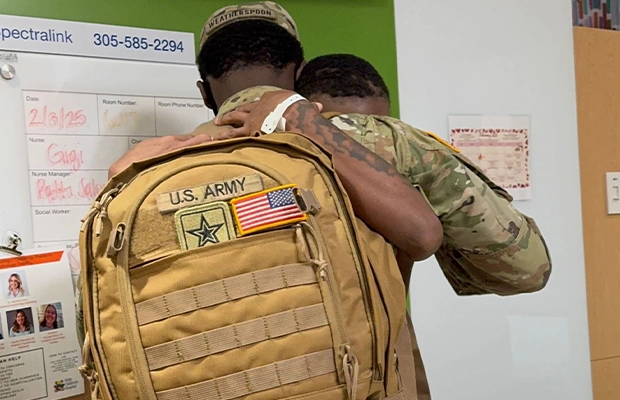
During one of his most challenging weeks, a surprise came: his mother collaborated with the U.S. Army to have his twin brother visit him in the hospital.
On February 22, after 45 days in the hospital, Weatherspoon was discharged. He and Fisher stayed nearby in Miami for follow-up appointments and monitoring.
Finally, in early April, they returned home to Sanford.
“It feels good to be home, in my own space,” Weatherspoon said.
A New Chapter
Today, Weatherspoon is focused on healing and regaining his strength. He goes for walks, reads, and spends time with family.
But, most importantly, he hasn’t needed pain medication since leaving the hospital.
“I feel no pain at all. Some mornings it’s a little tough to get up, but once I get up, stretch, and take a little walk, I feel good,” he said.
Looking back over the past few years and the year-long treatment process, Weatherspoon is filled with gratitude for the journey – and the new, pain-free life it’s given him.
“It was worth it,” he said.
Comprehensive Pediatric Heart Care from Womb to Adulthood
Expertise, innovation, collaboration, and family-centered care shape our mission to provide exceptional cardiac treatment for children with congenital or acquired heart disease.