
Advanced Genetic Research
Finding Answers for Families Facing Rare and Undiagnosed Conditions
When a child has a rare or undiagnosed medical condition, families often spend years searching for answers.
At UHealth Jackson Children’s Care Rare Disease Center in Miami, FL, our advanced genetic research team works with families to identify the cause of disease and move closer to discovering better treatments.
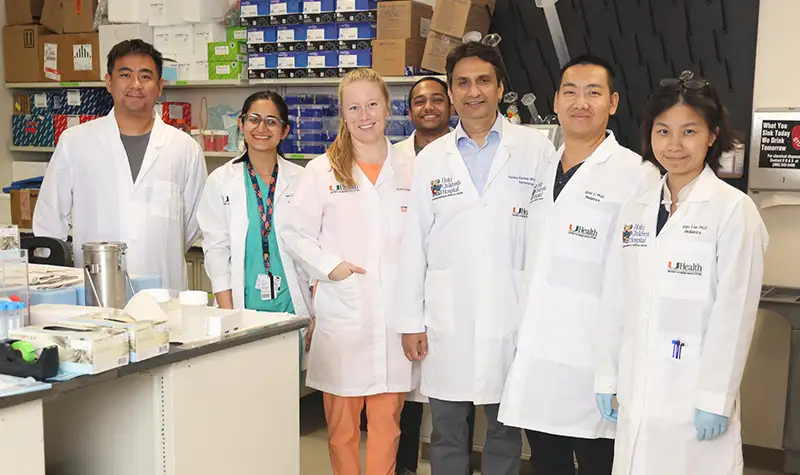
Our research team—led by Dr. Pankaj Agrawal, an internationally recognized expert in neonatology and rare disease research—partners with families to uncover the genetic causes of unexplained conditions. When a child has an undiagnosed disorder that may be genetic, we invite families to join our research program at no cost.
Helping Families Find Answers
Individuals with rare or undiagnosed conditions often go through years of testing and visits to many specialists, but still do not receive a diagnosis. At the UHealth Jackson Children’s Care Rare Disease Center, we partner with families to uncover the genetic causes of these conditions.
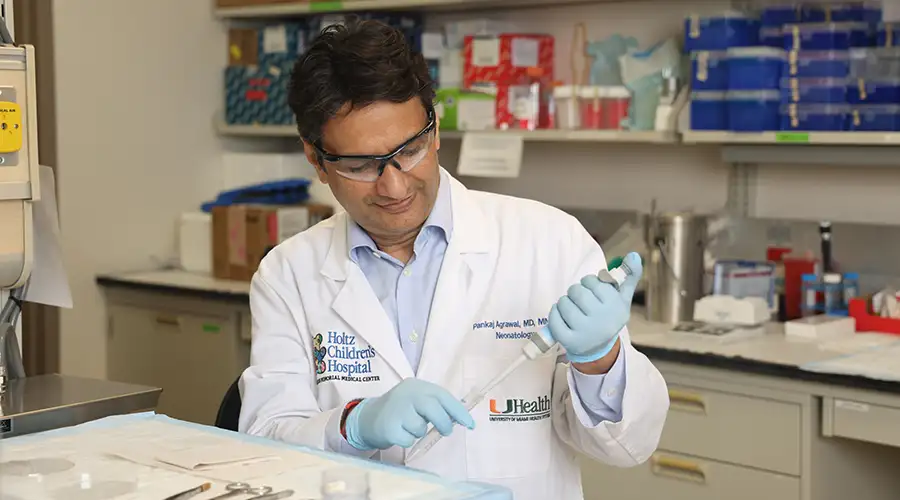
Our team uses advanced approaches—including whole genome sequencing, data reanalysis, and new multiomic technologies—to search for answers. We study not only DNA, but also RNA (transcriptome), proteins (proteome), and, when needed, we develop cell or animal models to better understand disease mechanisms or how a genetic change leads to disease. By combining these tools, we aim to turn complex science into clear answers, giving families the knowledge they need to plan care and move forward.
Description
At UHealth Jackson Children’s Care Rare Disease Center in Miami, FL, our advanced genetic research team works with families to identify the cause of disease and move closer to discovering better treatments.
Our research team—led by Dr. Pankaj Agrawal, an internationally recognized expert in neonatology and rare disease research—partners with families to uncover the genetic causes of unexplained conditions. When a child has an undiagnosed disorder that may be genetic, we invite families to join our research program at no cost.
Helping Families Find Answers
Individuals with rare or undiagnosed conditions often go through years of testing and visits to many specialists, but still do not receive a diagnosis. At the UHealth Jackson Children’s Care Rare Disease Center, we partner with families to uncover the genetic causes of these conditions.
Our team uses advanced approaches—including whole genome sequencing, data reanalysis, and new multiomic technologies—to search for answers. We study not only DNA, but also RNA (transcriptome), proteins (proteome), and, when needed, we develop cell or animal models to better understand disease mechanisms or how a genetic change leads to disease. By combining these tools, we aim to turn complex science into clear answers, giving families the knowledge they need to plan care and move forward.
How Our Research is Different from Standard Genetic Testing
- Standard genetic testing usually focuses on genes already known to cause disease. For example, a panel test may analyze a small set of genes thought to explain certain symptoms. Even exome or genome sequencing in the clinical setting is often limited to interpreting changes in genes with well-established links to disease.
- Our genome analysis, reanalysis and new genetic technologies go beyond this. We examine the entire genome in discovery mode, reanalyzing the data ourselves and applying new scientific tools as they emerge. This allows us to identify not only rare or unexpected changes, but also newly discovered genes that may explain a child’s condition—findings that standard testing may overlook. We also utilize multiomic tools, as described above, to help in this discovery.
How our process works
Step 1: Provider Referral or Family Contact
Families who have a child, or individuals with an undiagnosed condition can either be referred by their doctor or reach out to our research team directly to begin the process.
Step 2: Eligibility Review
Our team reviews the referral information and reason for contact, along with prior genetic testing results if available. If the condition is suspected to have a genetic cause, families are encouraged to enroll in our IRB-approved research protocol at no cost.
Step 3: Data and Sample Collection
We may collect saliva, blood, or other biological samples. If families already have exome or genome sequencing, we request the raw data; if not, sequencing may be arranged. Additional biological samples may be requested in certain cases.
Step 4: Advanced Genetic Analysis
Our team analyzes DNA sequencing data and applies multiomic approaches in some cases—including RNA sequencing and protein studies—to better understand disease mechanisms.
Step 5: Results and Ongoing Reanalysis
If findings point to a possible genetic cause, results are confirmed through a licensed clinical diagnostic (CLIA-certified) laboratory. Families can choose to have their personal doctor involved in confirming these results or explained by our genetic counselor and clinical team. If confirmed, the results could go into one’s medical record and be used for clinical care. It is the family’s choice whether to share this information with their doctor or medical institution.
When To Consider Rapid Genome Testing
Advanced genetic testing and research may help if you or your child:

Has ongoing health problems that haven’t been explained.

Had earlier genetic testing that didn’t provide clear answers.

Shows symptoms like seizures, delays in learning or development, low muscle tone, serious lung or heart problems, metabolic issues, some kidney issues, born with multiple anomalies, or trouble feeding without doctors knowing the cause.

Has a family history of rare or hard-to-diagnose conditions.

Received confusing or uncertain genetic results.
Why Participate?
- Hope for Answers: Families may receive a diagnosis that ends their diagnostic journey.
- Improved Care: Genetic results can inform treatment plans and connect families with support groups and specialists. It can also help with future reproductive planning.
- Contribution to Science: By participating, families advance rare disease research that helps many others.
- No Cost: Research is funded through grants, and participation does not affect clinical care.
Why Participate?
- Hope for Answers: Families may receive a diagnosis that ends their diagnostic journey.
- Improved Care: Genetic results can inform treatment plans and connect families with support groups and specialists. It can also help with future reproductive planning.
- Contribution to Science: By participating, families advance rare disease research that helps many others.
- No Cost: Research is funded through grants, and participation does not affect clinical care.
Our Advanced Genetic Research Team
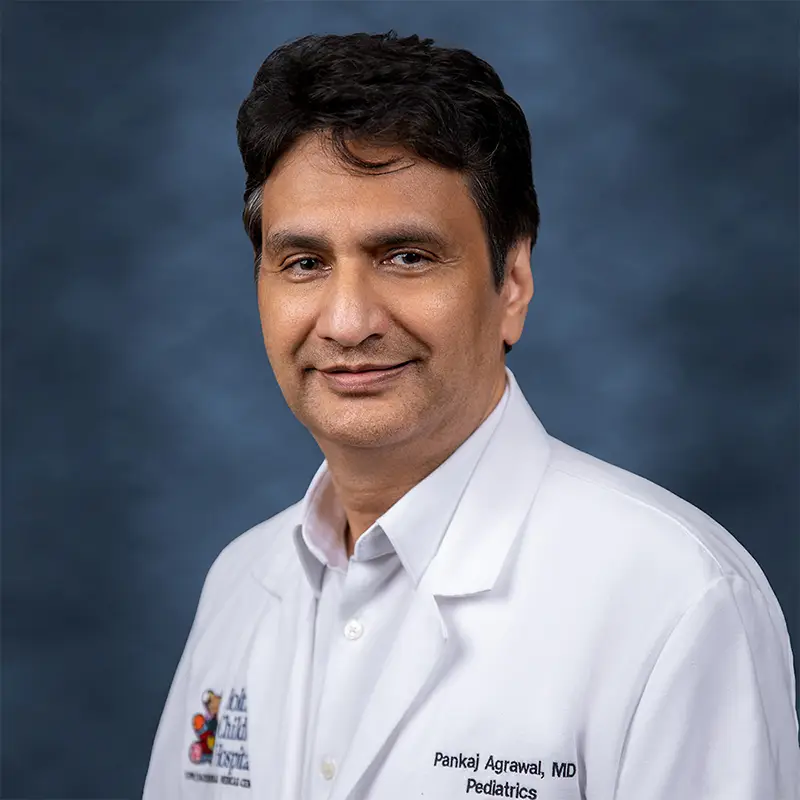
Chief of the Division of Neonatology at Jackson Health System
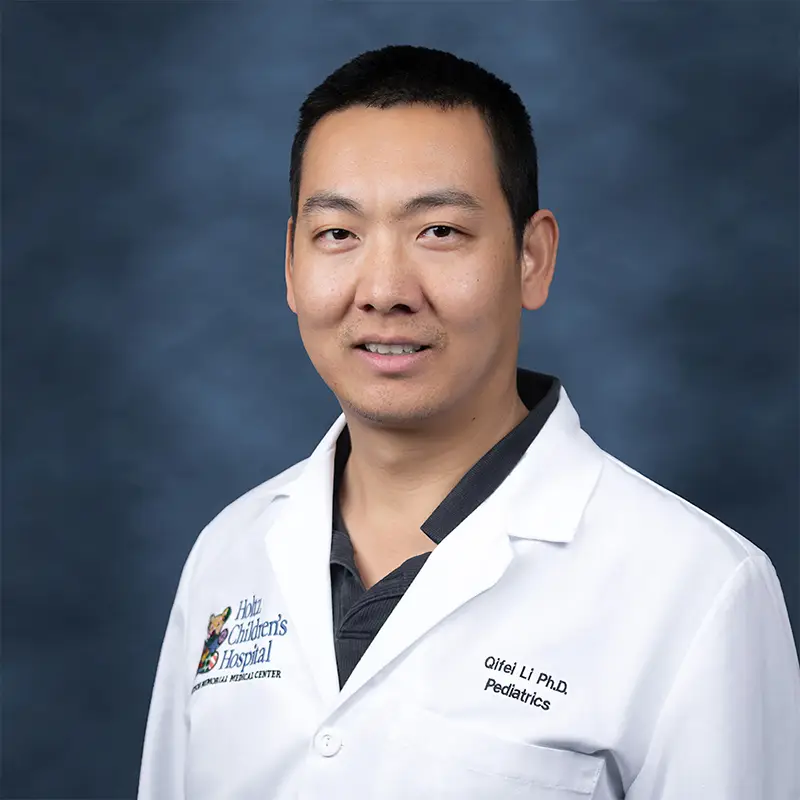
Qifei Li, PhD
Assistant Professor
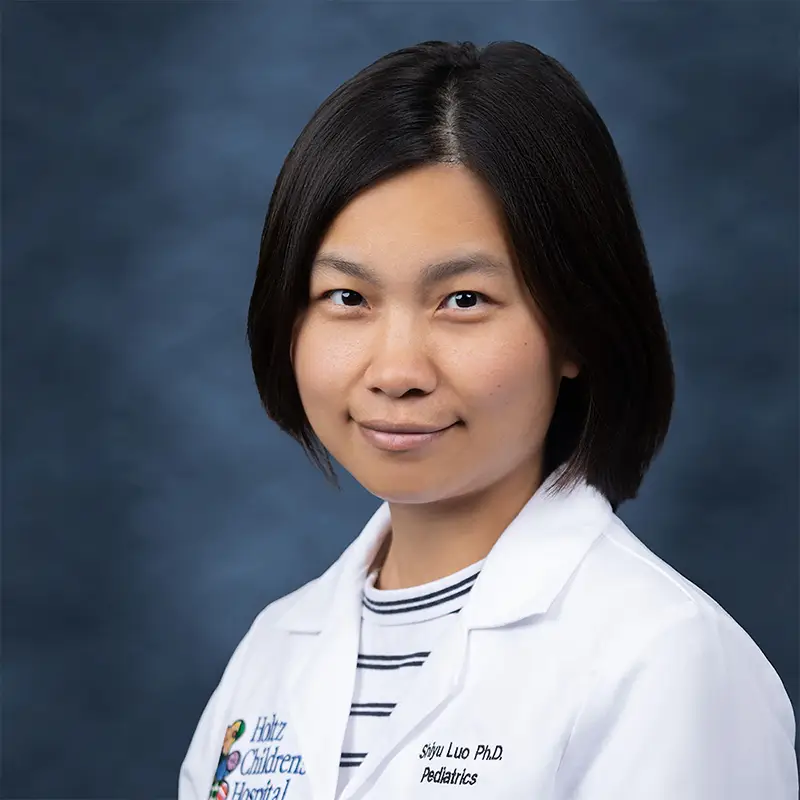
Shiyu Luo, PhD
Assistant Professor
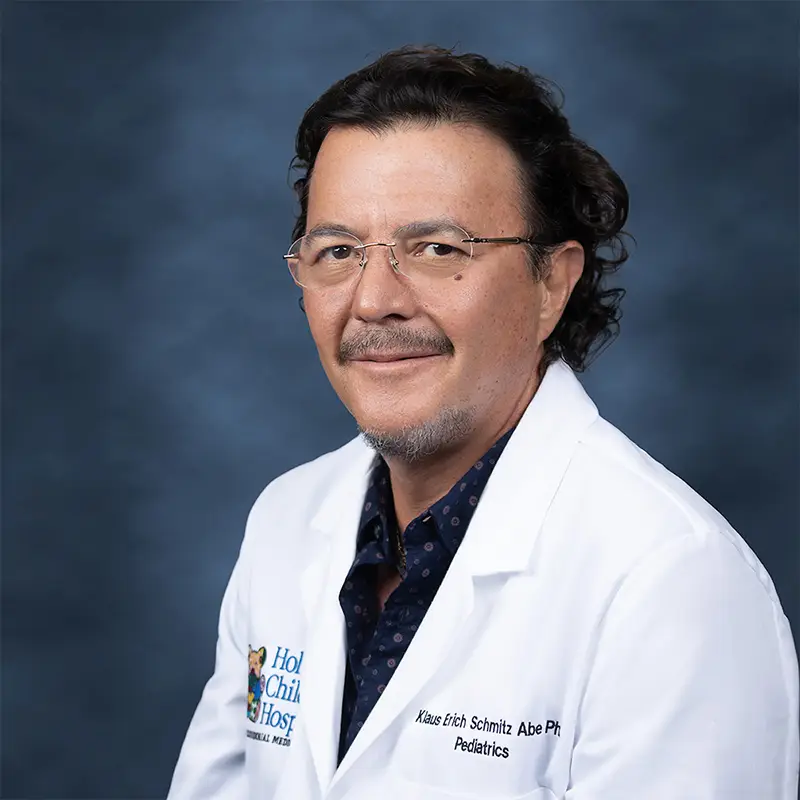
Klaus Schmitz-Abe, PhD
Associate Professor/Statistical Geneticist
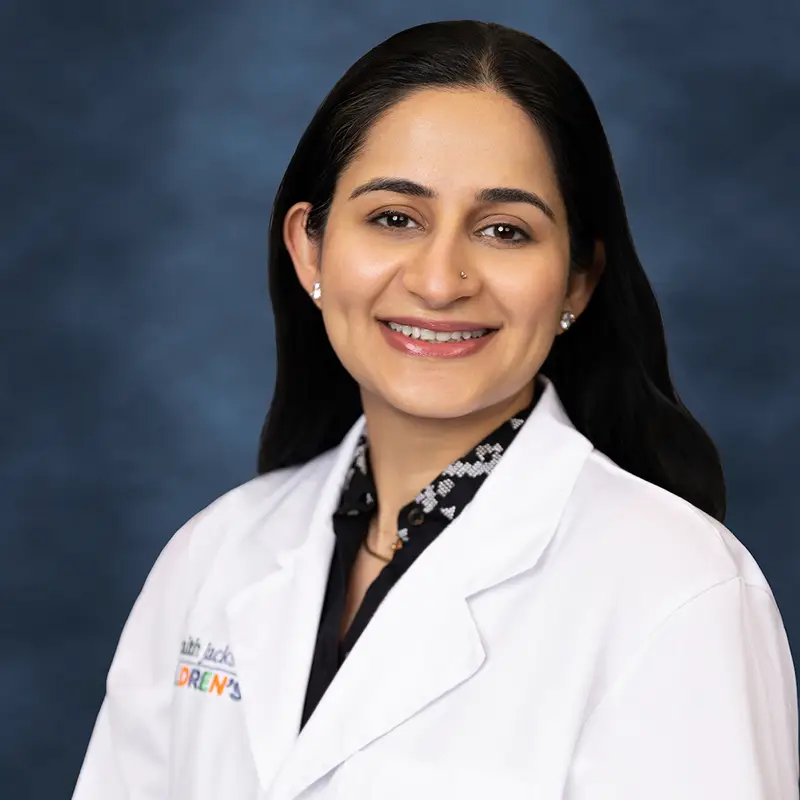
Sara Ali, MD
Neonatal – Perinatal Fellow
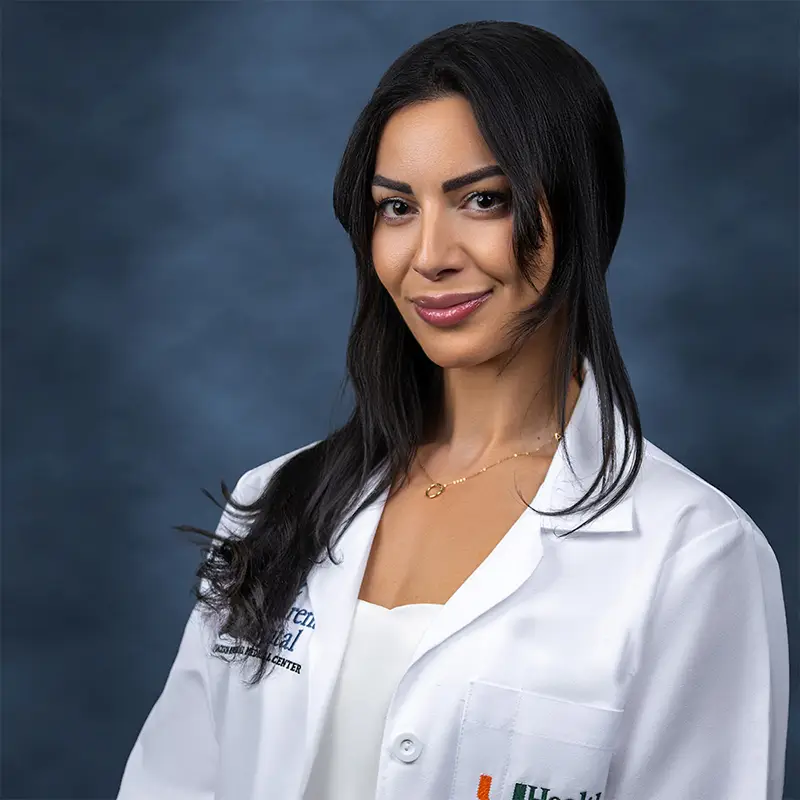
Tzofia Drori, CGC
Genetic Counselor
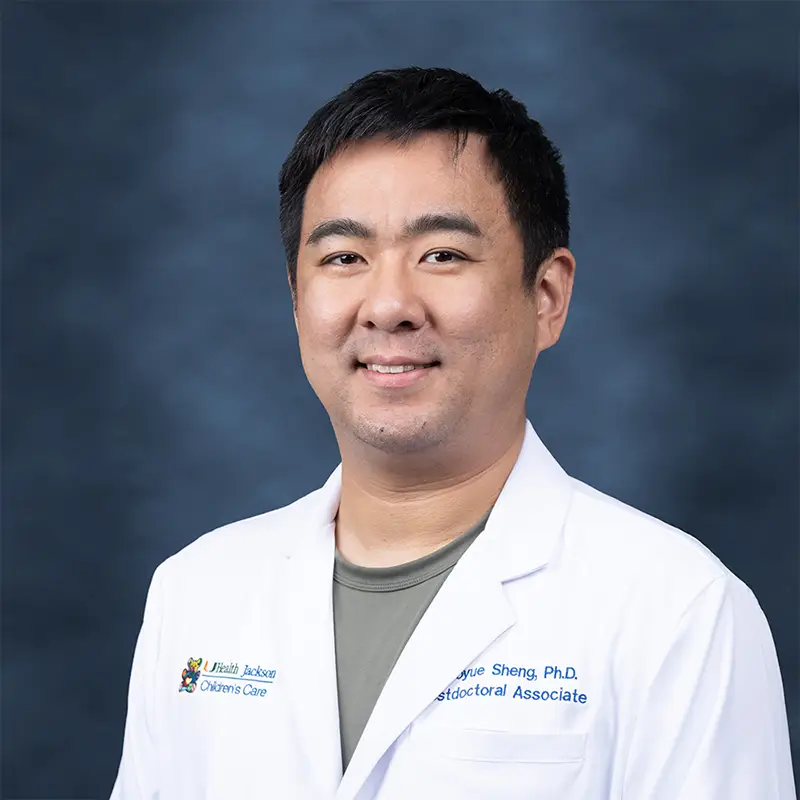
Haoyue Sheng, MD, PhD
Postdoctoral Associate
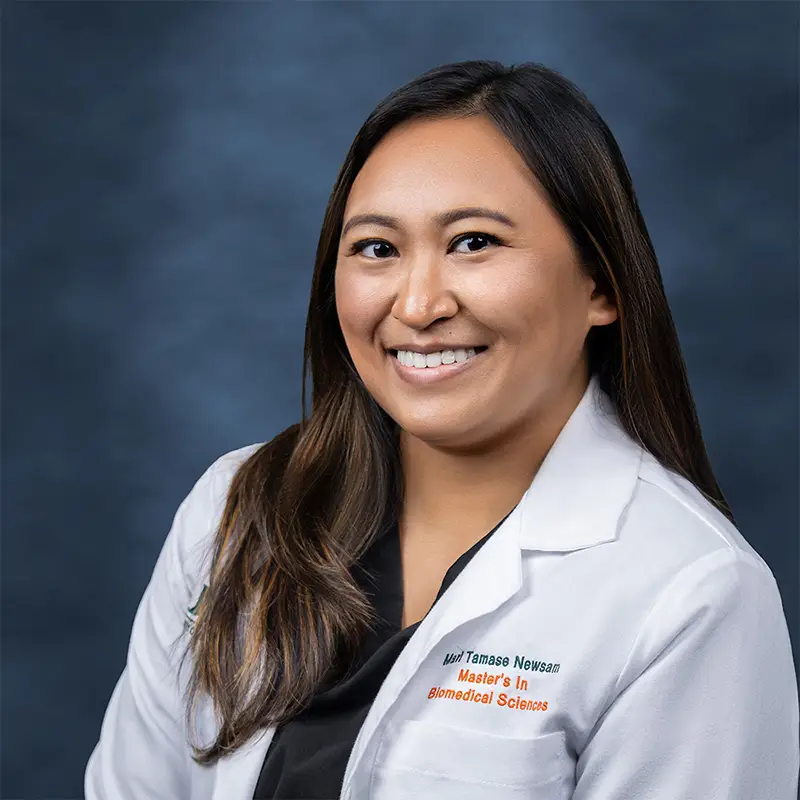
Mari Tamase Newsam, MS
Clinical Research Associate
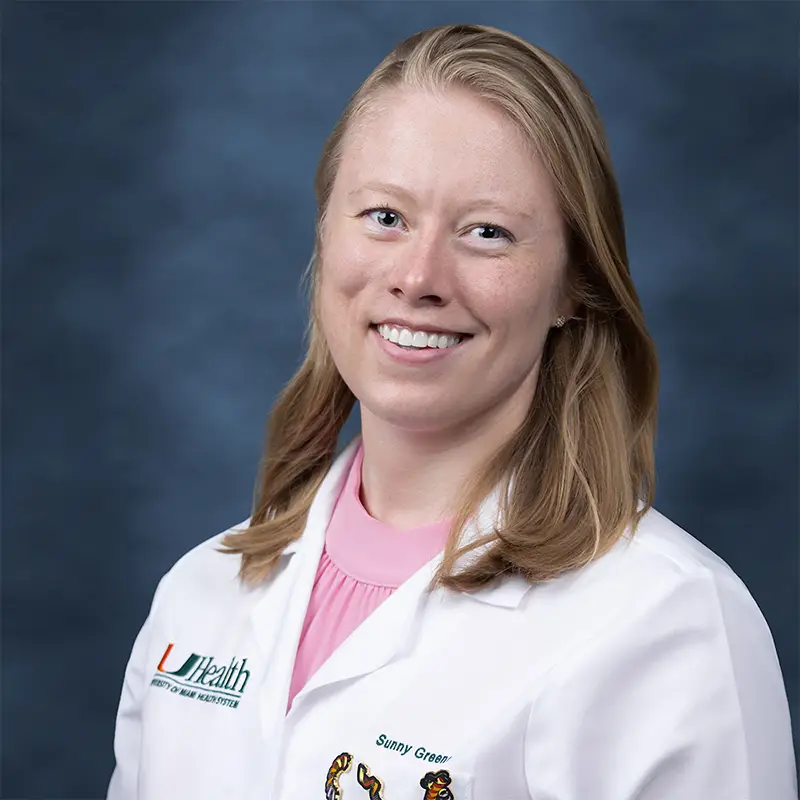
Sunny Greene, MD
MD/PhD Student
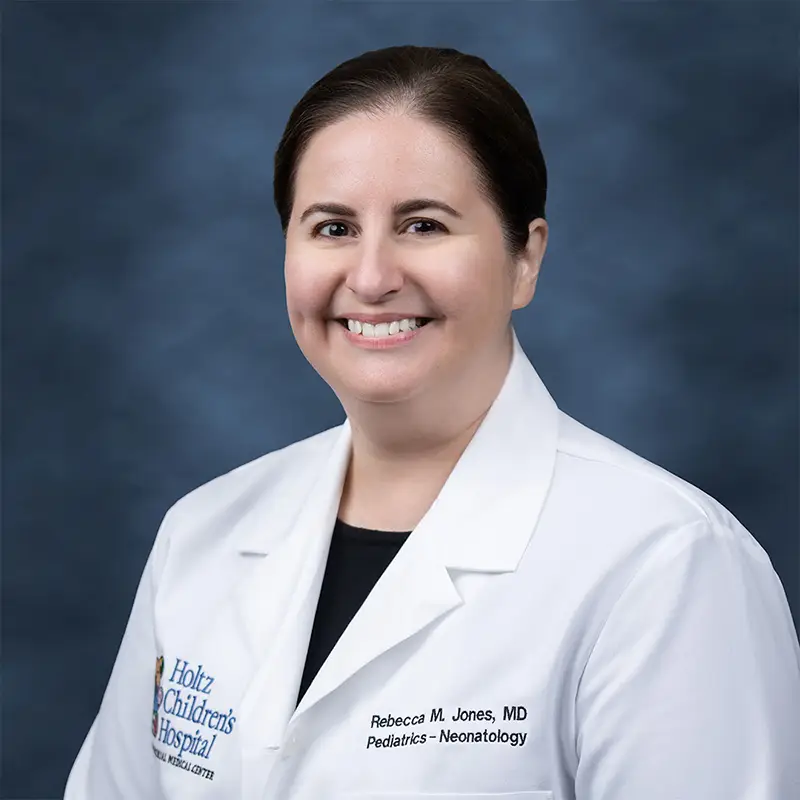
Rebecca M. Jones, MD
Neonatal – Perinatal Fellow
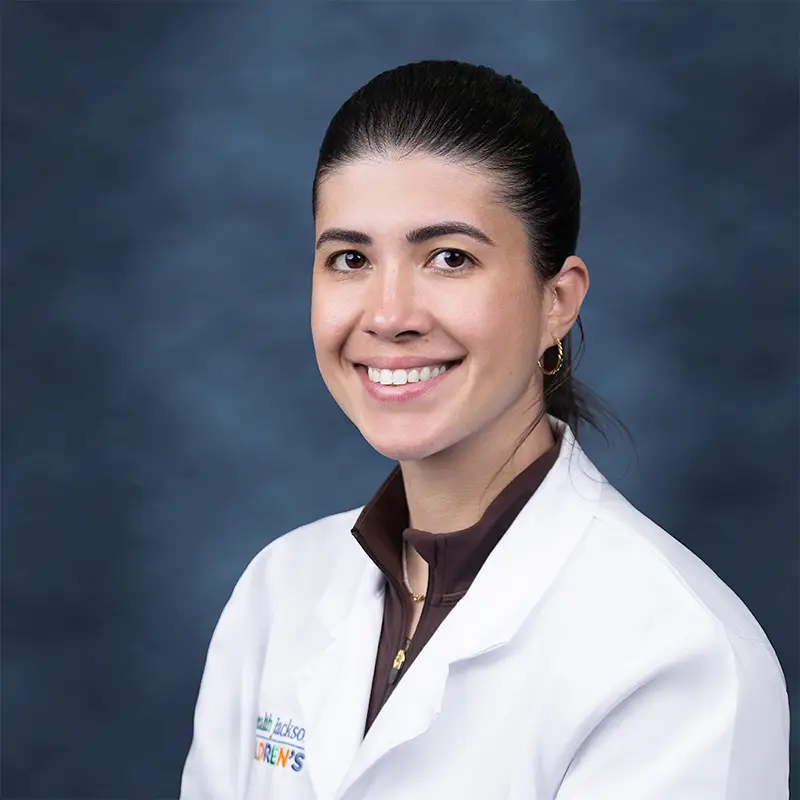
Marel Alicia Gonzalez Medina
Research Associate II
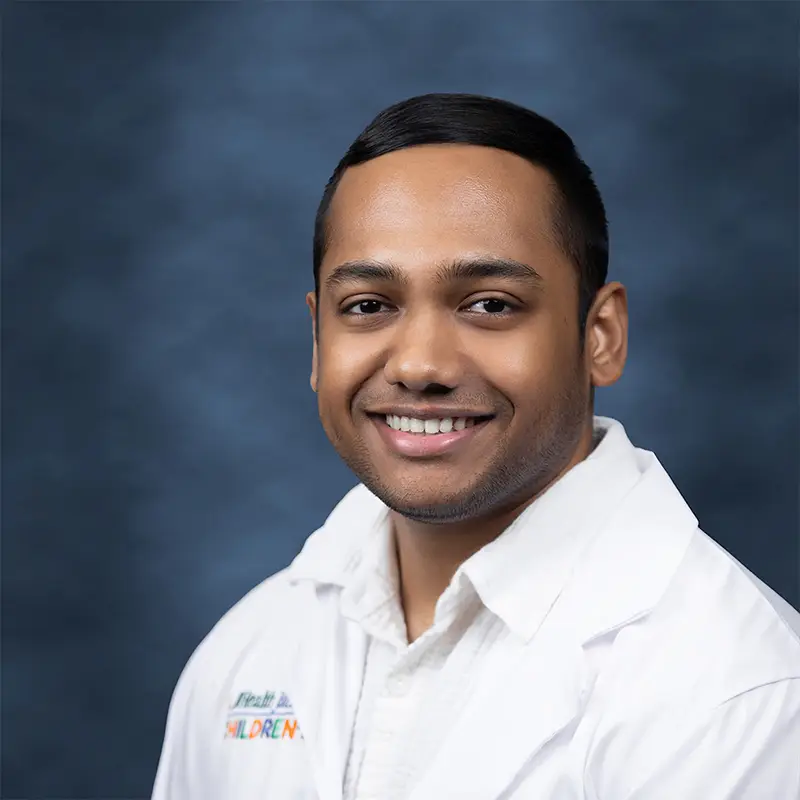
Madesh Ramesh, MS
Research Analyst
Qifei Li, PhD
Assistant Professor
Shiyu Luo, PhD
Assistant Professor
Klaus Schmitz-Abe, PhD
Associate Professor/Statistical Geneticist
Sara Ali, MD
Neonatal – Perinatal Fellow
Tzofia Drori, CGC
Genetic Counselor
Haoyue Sheng, MD, PhD
Postdoctoral Associate
Mari Tamase Newsam, MS
Clinical Research Associate
Sunny Greene, MD
MD/PhD Student
Rebecca M. Jones, MD
Neonatal – Perinatal Fellow
Marel Alicia Gonzalez Medina
Research Associate II
Madesh Ramesh, MS
Research Analyst
Contact Us
Families and healthcare providers can reach our team directly to learn more about eligibility, enrollment, and next steps in advanced genetic testing.
Whether you’re a parent searching for answers or a clinician seeking support for a complex case, we’re here to help.
Who We Help
- Families: If you’re navigating unexplained symptoms or searching for a diagnosis, our team may be able to help through advanced genetic research and testing. While many of our patients are babies and young children, we also welcome teens and adults with complex medical histories.
- Clinicians: If your patient has undergone extensive testing without a diagnosis, consider a referral to our rare disease program. We offer genome sequencing, reanalysis, and access to national research networks to support your diagnostic journey.
How to Reach Us
To request an appointment or refer a patient, contact our advanced genetics research team directly.
Contact Us
Families and healthcare providers can reach our team directly to learn more about eligibility, enrollment, and next steps in advanced genetic testing.
Whether you’re a parent searching for answers or a clinician seeking support for a complex case, we’re here to help.
Who We Help
- Families: If you’re navigating unexplained symptoms or searching for a diagnosis, our team may be able to help through advanced genetic research and testing. While many of our patients are babies and young children, we also welcome teens and adults with complex medical histories.
- Clinicians: If your patient has undergone extensive testing without a diagnosis, consider a referral to our rare disease program. We offer genome sequencing, reanalysis, and access to national research networks to support your diagnostic journey.
How to Reach Us
To request an appointment or refer a patient, contact our advanced genetics research team directly.
Frequently Asked Questions about Advanced Genetic Testing Research
Accordion
We focus on individuals who have undiagnosed, likely genetic conditions. Using whole genome sequencing, multiomic approaches (RNA, protein, and other analyses), and, in select cases, cell or animal models, we work to uncover the underlying genetic cause of disease. Our goal is to provide answers, guide care, and advance scientific understanding of rare conditions.
Individuals who have an undiagnosed condition are eligible. Eligibility is determined by our research team after reviewing the reason for referral and prior genetic test results if available.
While research participation does not guarantee a treatment, understanding the genetic cause can inform care, connect families to support groups and specialists, and sometimes open doors to clinical trials or emerging therapies.
Participation generally involves completing questionnaires, sharing medical records and providing biological samples such as saliva or blood. In some cases, we may request additional samples, such as urine. If genetic testing was already done, we may request access to your data for reanalysis.
No. Our research is primarily conducted remotely. Families can provide medical records and biological samples from home, and most interactions with our team are virtual. If you prefer, there is also the option to visit the hospital for enrollment and consent, but it is not required.
If genetic testing with whole exome or whole genome sequencing was already done, we may request access to their genetic data. Our team can reanalyze it with our own in house developed pipeline to look for answers that standard clinical tests might have missed and/or did not look for.
Clinical genetic testing looks for changes in DNA for medical care and focuses on diagnosing conditions with known gene associations. Our research goes beyond this by applying advanced technologies, reanalyzing data as science evolves, and creating models to understand how genetic changes cause disease.
If we find a genetic change that may explain your or your child’s condition, results can be confirmed in a certified clinical laboratory and shared with you by your provider or our genetic counselor. During the consenting process, families can choose whether they want to learn about additional incidental findings unrelated to the main condition.
No. Participation is funded through our research program and there is no charge to families.
Participation is ongoing unless one chooses to withdraw. We may contact you over time with updates or request additional information or samples as science advances.
Sample collection (like a cheek swab or blood draw) carries minimal risk. Learning genetic information can sometimes cause emotional stress. Our genetic counselor and clinical team is available to support families.
Some analyses take a few months, but more complex studies may take longer. Because science evolves, reanalysis may also provide new answers in the future.
Families can choose to have their personal doctor involved in confirming and discussing results or explained by our genetic counselor and clinical team.
Your participation is protected under federal law (GINA) against discrimination in health insurance and employment. Life and disability insurance are not covered by GINA, and we will help families understand any relevant protections. All data and samples are coded and securely stored.
- Possible diagnosis for your child’s condition
- Guidance for medical care and next steps
- Identification of potential risks for family members
- Informed reproductive planning
- Contribution to rare disease research that may benefit other families
Yes. Sometimes participation of parents, siblings, or extended relatives is helpful for
You can contact our research team directly. We will guide you through the next steps.
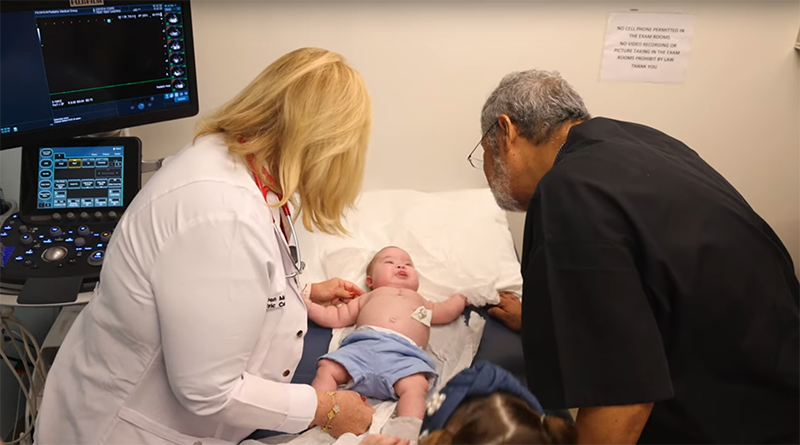
Comprehensive Pediatric Heart Care from Womb to Adulthood
Expertise, innovation, collaboration, and family-centered care shape our mission to provide exceptional cardiac treatment for children with congenital or acquired heart disease.