
Wilson’s Disease Center of Excellence
Specialized care for children with Wilson’s disease.
UHealth Jackson Children’s and the Miami Transplant Institute are proud to be a Center of Excellence for Wilson’s disease. We care for children with this rare but treatable condition every day.
Our team works together to find the problem early and start the right treatment. With the right care, most children with Wilson’s disease can live healthy, active lives.
What’s Wilson’s Disease?
Wilson’s disease is a genetic condition. It causes the body to store too much copper.
Copper is a mineral your body needs in small amounts. But when too much builds up, it can harm the liver, brain, and other organs.
Description
UHealth Jackson Children’s and the Miami Transplant Institute are proud to be a Center of Excellence for Wilson’s disease. We care for children with this rare but treatable condition every day.
Our team works together to find the problem early and start the right treatment. With the right care, most children with Wilson’s disease can live healthy, active lives.
What’s Wilson’s Disease?
Wilson’s disease is a genetic condition. It causes the body to store too much copper.
Copper is a mineral your body needs in small amounts. But when too much builds up, it can harm the liver, brain, and other organs.
Why Early Diagnosis Matters
Wilson’s disease can be hard to spot. Symptoms may be mild at first and can look like other problems.
Early diagnosis is important because treatment can prevent serious damage.
Accordion
Symptoms can vary by child. They may include:
- Tiredness or low energy
- Poor growth
- Yellowing of the skin or eyes (jaundice)
- Belly pain or swelling
- Changes in mood or behavior
- Trouble with movement or coordination
- Abnormal liver blood tests
If your child has these symptoms, our team can help find the cause.
We use several tests to confirm the diagnosis, including:
- Blood tests to check copper levels
- Urine tests to measure copper
- Genetic testing to look for gene changes
- Imaging tests to check the liver
- Liver biopsy in some cases
We also may recommend testing for family members.
Accordion
Your child will be cared for by a team of specialists who work together, including:
- Pediatric hepatologists (liver doctors)
- Neurologists (brain and movement specialists)
- Genetic specialists
- Registered dietitians
- Transplant experts
We meet regularly to review each child’s care and adjust treatment as needed.
Wilson’s disease requires regular follow-up. We help families every step of the way by:
- Monitoring labs and symptoms
- Adjusting treatment over time
- Supporting nutrition and daily care
- Helping teens transition to adult care

Why Choose Our Program
- Center of Excellence for Wilson‘s disease
- Experienced team that treats rare liver conditions
- Advanced testing for early and accurate diagnosis
- Access to the latest treatments and research
- Close coordination with transplant and nutrition teams
Our Goal
Our goal is simple. We want your child to feel well, stay healthy, and live a full life. To schedule an appointment or learn more, call 305-585-8574.
Meet Our Pediatric Hepatologists
You are just about to enter a carousel of physicians.
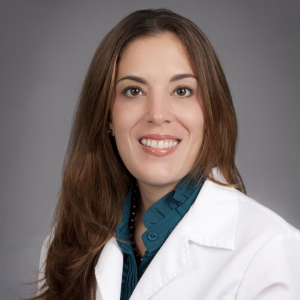
Pediatric Gastroenterology, Pediatrics
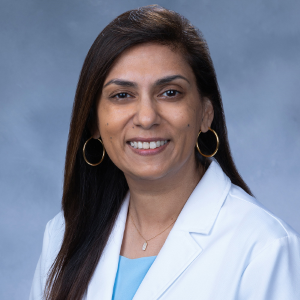
Pediatric Gastroenterology
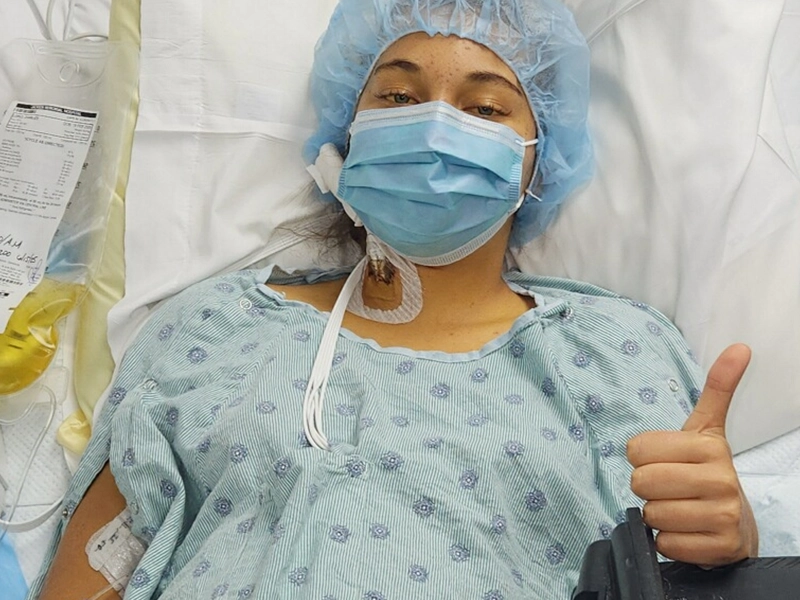
Big Miracles for Little Patients
You are just about to enter a carousel of 1 patient stories.
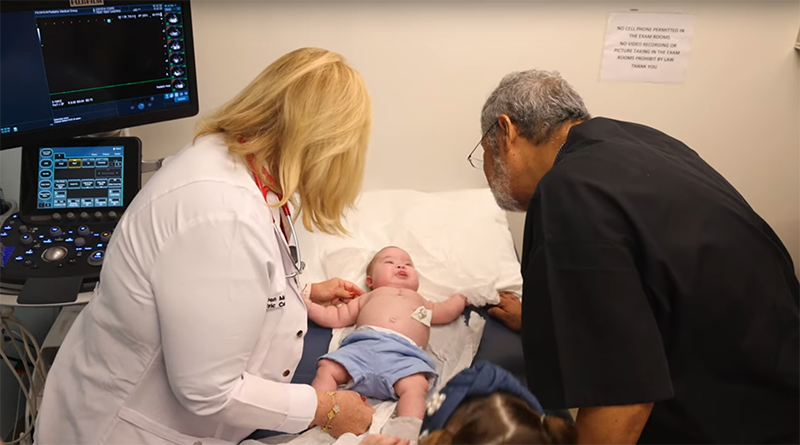
Comprehensive Pediatric Heart Care from Womb to Adulthood
Expertise, innovation, collaboration, and family-centered care shape our mission to provide exceptional cardiac treatment for children with congenital or acquired heart disease.