Pediatric and Congenital Cardiac Surgery
Our cardiac surgeons routinely perform surgery on children with a wide array of cardiac malformations.
The pediatric cardiac surgery program at the Congenital Heart Center focuses on the surgical correction of acquired and congenital heart defects in newborns, children, and adults, including surgery for heart failure and implantation of mechanical circulatory support systems, and heart transplantation.
Working in collaboration with pediatric cardiologists, pediatric cardiac anesthesiologists, pediatric cardiac intensive care specialists, and a large group of nurses, nurse practitioners, respiratory therapists, pediatric cardiac perfusionists, and social workers, the surgical outcomes involving pediatric cardiac surgery procedures are among the best in the nation.
Our cardiac surgeons are experts in the latest surgical treatments for a wide array of congenital cardiac malformations.
- Congenital coronary anomalies
- Transposition of the great arteries
- Hypoplastic left heart syndrome
- Total and partial anomalous pulmonary venous connection
- Truncus arteriosus
- Pulmonary atresia with ventricular septal defect
- Pulmonary atresia with intact ventricular septum
- Tetralogy of fallot
- Atrioventricular canal defect
- Ventricular septal defect
- Shone’s syndrome
- Atrial septal defect
- Single ventricle cardiac malformations
- Aortic and mitral valve disease processes
- Tricuspid valve disease
- Ebstein’s anomaly
- Coarctation of the aorta
- Aortic arch hypoplasia
- Tracheal anomalies
- Vascular rings and slings
Additional Expertise
The cardiac surgeons at the UHealth Jackson Children’s Care Congenital Heart Center are also experts in performing the following procedures:
- Repair of pectus carinatum and excavatum
- Minimally invasive repair of atrial septal defects
- Minimally invasive aortic valve repair or replacement
- Minimally invasive mitral valve repair or replacement
- Ross procedure
- Laser-assisted pacemaker and implantable cardioverterdefibrillator (ICD) lead extraction
- Maze procedure
- ICD and pacemaker implantation and replacement
- Heart transplantation
- Insertion of short- and long-term ventricular assist devices
- Norwood procedure
- Hybrid cath lab procedures
Description
The pediatric cardiac surgery program at the Congenital Heart Center focuses on the surgical correction of acquired and congenital heart defects in newborns, children, and adults, including surgery for heart failure and implantation of mechanical circulatory support systems, and heart transplantation.
Working in collaboration with pediatric cardiologists, pediatric cardiac anesthesiologists, pediatric cardiac intensive care specialists, and a large group of nurses, nurse practitioners, respiratory therapists, pediatric cardiac perfusionists, and social workers, the surgical outcomes involving pediatric cardiac surgery procedures are among the best in the nation.
Our cardiac surgeons are experts in the latest surgical treatments for a wide array of congenital cardiac malformations.
- Congenital coronary anomalies
- Transposition of the great arteries
- Hypoplastic left heart syndrome
- Total and partial anomalous pulmonary venous connection
- Truncus arteriosus
- Pulmonary atresia with ventricular septal defect
- Pulmonary atresia with intact ventricular septum
- Tetralogy of fallot
- Atrioventricular canal defect
- Ventricular septal defect
- Shone’s syndrome
- Atrial septal defect
- Single ventricle cardiac malformations
- Aortic and mitral valve disease processes
- Tricuspid valve disease
- Ebstein’s anomaly
- Coarctation of the aorta
- Aortic arch hypoplasia
- Tracheal anomalies
- Vascular rings and slings
Additional Expertise
The cardiac surgeons at the UHealth Jackson Children’s Care Congenital Heart Center are also experts in performing the following procedures:
- Repair of pectus carinatum and excavatum
- Minimally invasive repair of atrial septal defects
- Minimally invasive aortic valve repair or replacement
- Minimally invasive mitral valve repair or replacement
- Ross procedure
- Laser-assisted pacemaker and implantable cardioverterdefibrillator (ICD) lead extraction
- Maze procedure
- ICD and pacemaker implantation and replacement
- Heart transplantation
- Insertion of short- and long-term ventricular assist devices
- Norwood procedure
- Hybrid cath lab procedures
Our Pediatric & Congenital Cardiac Surgery Team
You are just about to enter a carousel of physicians.

Congenital Cardiac Surgery, Thoracic and Cardiac Surgery, Thoracic Surgery
Congenital Cardiac Surgery
My Jackson Miracle
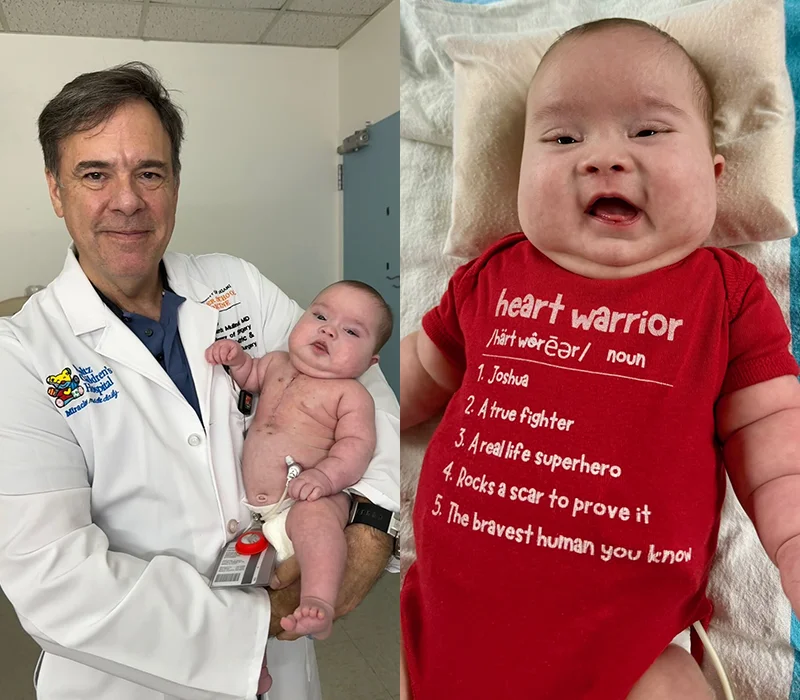
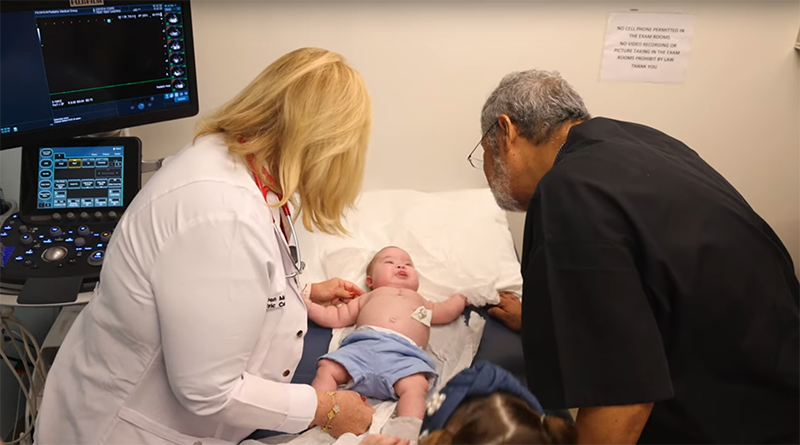
When Jackie and Jason Castro learned they were expecting their second child, they were overjoyed. But prenatal testing revealed a diagnosis of a congenital heart defect. Their son would need heart surgery early in life.
Under the care of Dr. Madeleen Mas, medical director of pediatric cardiology, and Dr. Leonardo Mulinari, chief of pediatric and congenital heart surgery, the Castors’ received specialized prenatal care to prepare for Joshua’s arrival. In the months following his birth, he faced a series of health challenges that required expert, multidisciplinary care.
Thanks to the dedicated specialists at Holtz Children’s Hospital, Joshua underwent life-saving heart surgery and went home just five days later. His story is one of resilience, expert care, and hope. Read more about his journey and the team that helped him and his family.
Our Location
Our Location
You are about to enter a Google Maps embed.
Skip Google Maps EmbedHoltz Children’s Hospital
1611 N.W. 12th Avenue, Miami, FL, 33136
Open 24 hours
End of Google Maps Embed
Patient Stories
You are just about to enter a carousel of 5 patient stories.
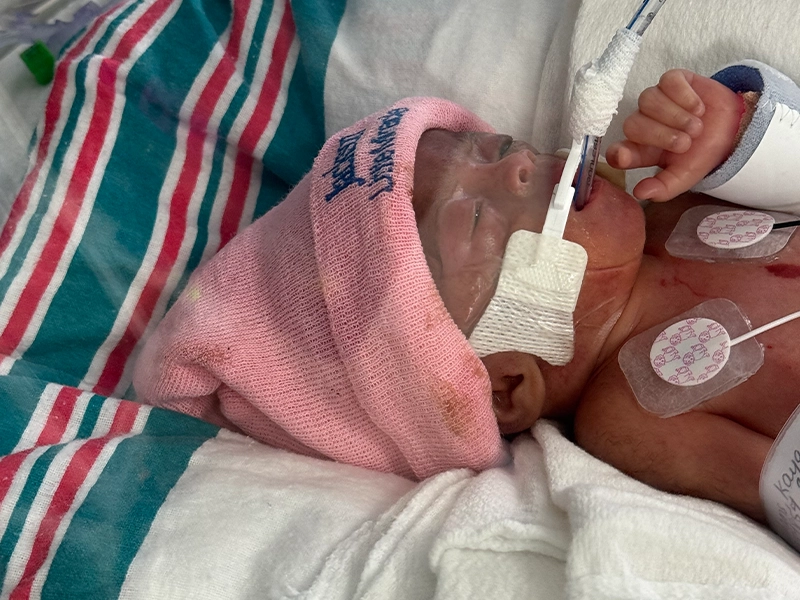
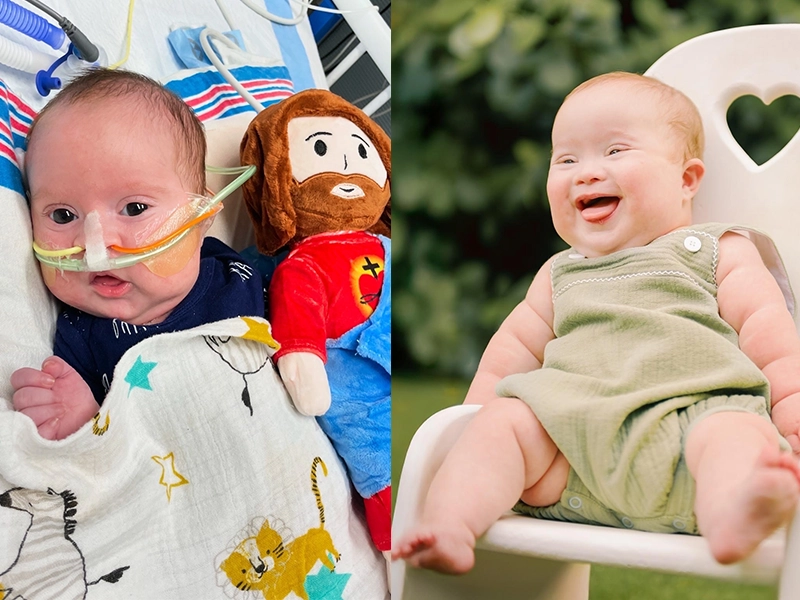
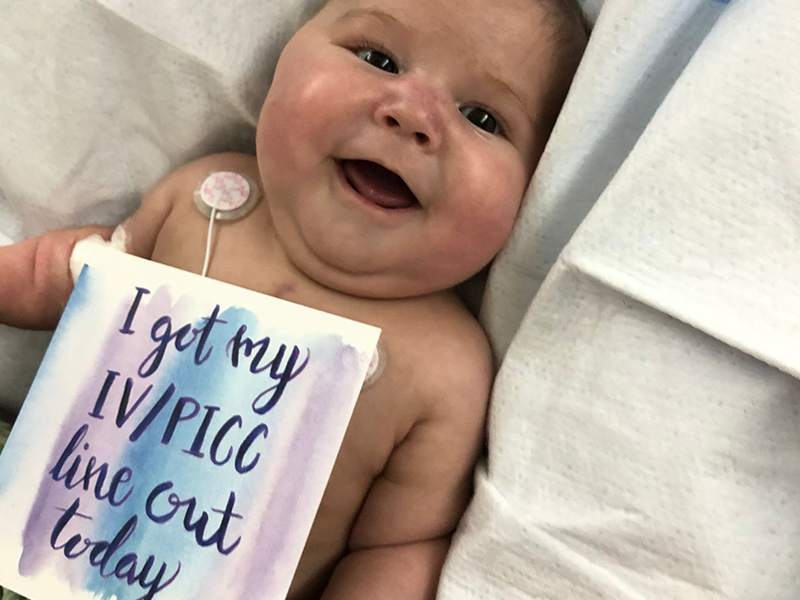
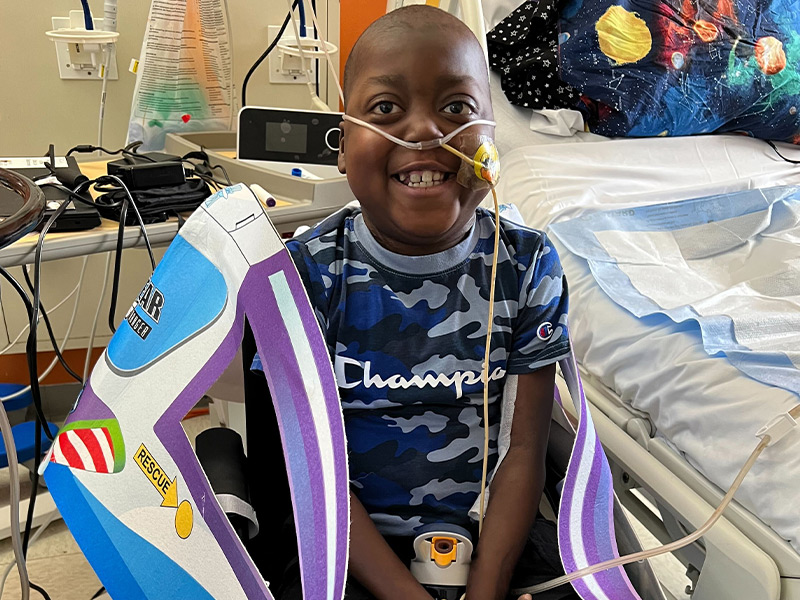
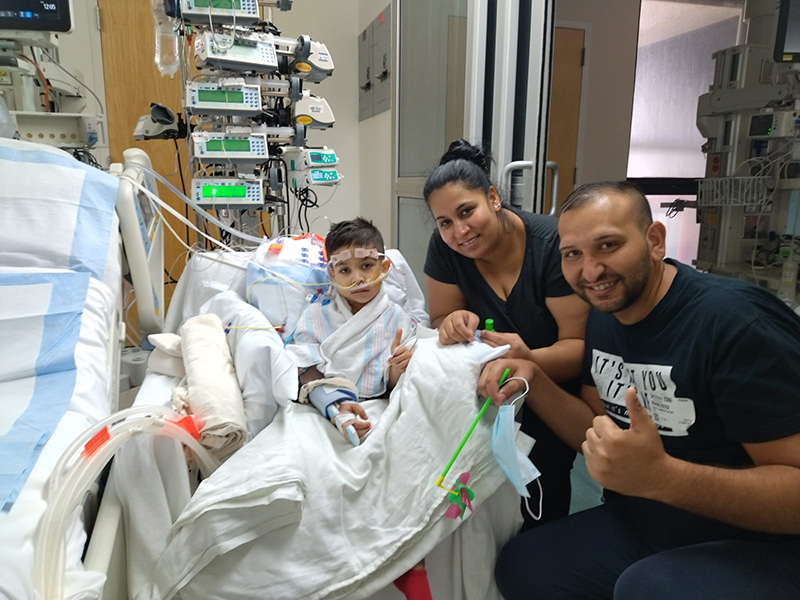
Comprehensive Pediatric Heart Care from Womb to Adulthood
Expertise, innovation, collaboration, and family-centered care shape our mission to provide exceptional cardiac treatment for children with congenital or acquired heart disease.